Understanding new compliance challenges and opportunities for low- and zero-emission shipping.
A shifting regulatory landscape: Global and regional forces at play
The environment around shipping regulations is evolving rapidly, with both global and regional frameworks driving the transition to low- and zero-emission shipping.
In 2023, the IMO made its decarbonization targets more ambitious. This includes a 20% reduction in emissions by 2030, a 70% reduction by 2040 (compared with 2008 levels), and the ultimate goal of achieving net-zero emissions by or around 2050.
Moves are also being made to back these targets up with new shipping regulations. At MEPC 83, in April 2025, the IMO approved the Net-Zero Framework (NZF), a regulation which proposes to introduce well-to-wake GHG fuel intensity limits, a compliance credit system, and a pricing mechanism via the IMO Net-Zero Fund, on a global scale. However, during the 2nd extraordinary session of the IMO’s MEPC in October 2025, it was decided to delay the adoption of this regulation, by adjourning the meeting until October 2026.
-
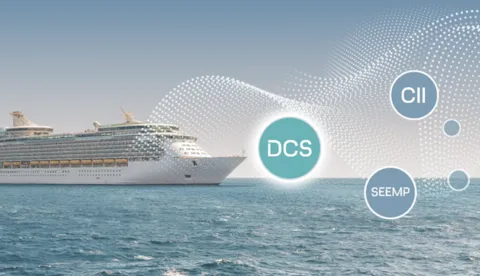
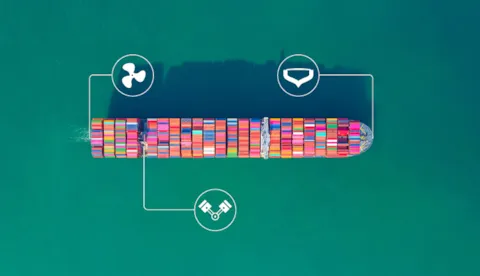
IMO decarbonization regulations set a global framework to reduce greenhouse gas emissions from shipping through a mix of monitoring, performance standards, and compliance mechanisms.The Data Collection System (DCS) requires verified fuel consumption reporting to build transparency, while the Carbon Intensity Indicator (CII) measures operational efficiency based on emissions per transport work.Design-specific requirements are addressed through the Energy Efficiency Existing Ship Index (EEXI), ensuring vessels meet minimum efficiency standards. The Ship Energy Efficiency Management Plan Part III (SEEMP III) mandates a structured plan for continuous improvement and compliance tracking.Looking ahead, the proposed Net-Zero Framework (NZF) introduces well-to-wake GHG intensity limits, a compliance credit system, and emissions taxation via the IMO Net-Zero Fund.
-
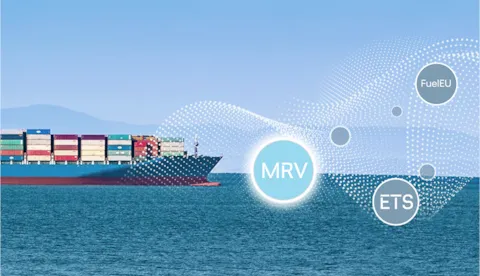
EU frameworks are evolving in parallel with IMO measures, introducing regional compliance mechanisms that accelerate the shift to low- and zero-emission shipping.FuelEU Maritime sets greenhouse gas intensity thresholds for marine fuels, applies reward factors for sustainable choices, and enforces penalties for non-compliance.The EU Emissions Trading System (EU ETS) brings carbon pricing into maritime operations, requiring shipowners to purchase allowances for emissions within EU waters.
-
Success in the complex regulatory environment requires proactive preparation across multiple dimensions:
Immediate actions:
- Stay informed on regulatory developments: Monitor new updates from IMO, EU, and regional authorities to ensure timely compliance and adapt strategies as requirements evolve.
- Establish robust data systems: Implement comprehensive emissions monitoring and reporting capabilities
- Review commercial contracts: Ensure clear allocation of emission responsibilities in charter parties and fuel supply agreements
- Assess fleet compliance: Evaluate current and projected regulatory exposure across different trading routes
- Develop fuel strategies: Plan alternative fuel adoption considering regional regulatory requirements
Long-term strategic planning:
- Regulatory scenario planning: Prepare for multiple potential regulatory outcomes
- Technology roadmapping: Align vessel investments with compliance timelines
- Supply chain integration: Coordinate with fuel suppliers and port operators on compliance requirements
- Financial planning: Budget for compliance costs and potential carbon pricing exposure

Maritime
EU emissions trading scheme (ETS)

Maritime
FuelEU Maritime
Maritime
IMO DCS – Data Collection System
Maritime
CII – Carbon Intensity Indicator

Maritime
IMO Net-Zero Framework (NZF)

Maritime
SEEMP Part III
Related publications
Download DNV's latest reports to navigate the future of shipping fuels

FuelEU Maritime - Requirements, compliance strategies, and commercial impacts
Our new DNV white paper offers a comprehensive overview of the FuelEU Maritime regulation, helping you understand the requirements and compliance options to make well-informed business decisions.

Net-Zero Guide: Practical approaches for global shipping companies
Download the report to explore how shipping companies can develop practical, cost-effective strategies for achieving net-zero emissions.

Maritime Forecast to 2050
The Maritime Forecast to 2050 by DNV is a comprehensive report offering insight and guidance toward decarbonization in the maritime industry. Download now!
Related services



Other key pathways to maritime decarbonization
Fuels
Fuel choices: Navigating a fragmented landscape
Energy efficiency
Efficiency as a strategic lever
Emissions management
Digitalization and data: Enabling smarter decisions