Ensuring safe, sustainable, and transparent food systems from farm to fork in Canada
From primary production to retail, food safety and sustainability require a structured, transparent approach. In the context of Canadian food safety, this is increasingly important as Canada’s food manufacturing sector contributes more than $35 billion annually to GDP, according to Statistics Canada, and includes thousands of small and medium‑sized processors operating across provinces and territories. We support organizations across the food ecosystem to manage risk, meet regulatory requirements, and deliver consistent product quality while aligning with federal and provincial expectations.
Through certification & training, we help you assure safe and sustainable food for consumers everywhere. In Canada, this includes supporting compliance with the Safe Food for Canadians Regulations (SFCR) administered by the Canadian Food Inspection Agency (CFIA), which require preventive controls, licensing, and robust traceability systems across the supply chain. With digital track & trace solutions we enhance supply chain operations allowing for higher transparency and compliance, documented provenance and making every product unique, secure, and traceable, capabilities that directly support CFIA traceability and recall readiness obligations.
At DNV, we help organizations build trust through independent food safety certification, audits, inspections, verification, and training services. From farm to fork, we support companies in strengthening food safety management systems, reducing risk, improving transparency, and meeting regulatory and customer requirements. Our services are aligned with globally recognized schemes such as FSSC 22000, BRCGS, SQF, and ISO 22000, all widely used by Canadian food producers and accepted by major retailers and food service operators.
Canadian food safety and regulatory alignment across the value chain
Canada’s food safety framework is built on a shared responsibility model. Health Canada establishes food safety policies and standards, CFIA enforces regulations and oversees inspections, and provincial authorities support local enforcement. This integrated system places strong expectations on organizations to demonstrate audit readiness, preventive controls, corrective actions, and continuous improvement, areas where third‑party certification and training play a critical role.
On-Demand Webinars in Canada by DNV
Access free on-demand webinars designed for Canadian food and beverage manufacturers looking to improve food safety, regulatory compliance, operational performance, and management system effectiveness. Hosted by industry experts from DNV Canada, these webinars provide valuable guidance on evolving ISO standards, food safety certification requirements, and operational excellence strategies.
Featured Food & Beverage Webinars
- Webinar From Compliance to Prediction: In this on-demand webinar, Francesco Di Sarno, Global Food & Beverage Business Development Manager at DNV, explores how organizations can move from reactive compliance to predictive prevention
- ISO 14001:2026 Revisions Webinar
Get an updated overview of the upcoming ISO 14001:2026 changes, including key differences from ISO 14001:2015, transition timelines, and new environmental management system requirements impacting food and beverage companies. - ISO 9001:2026 Revisions Webinar
Learn about the proposed ISO 9001:2026 updates, expected changes to quality management systems, and how food manufacturers can prepare for future compliance requirements and operational improvements. - Operational Excellence Through Effective Management Systems Webinar
Discover how food and beverage organizations improve operational efficiency, reduce business risk, strengthen compliance, and achieve continuous improvement through integrated management systems and proactive operational strategies. - FSSC 22000 Version 7 Webinar: Key Updates, Changes & How to Prepare
Explore the latest FSSC 22000 Version 7 requirements and understand how the updates affect food safety management systems, supplier controls, risk management, and certification readiness for Canadian food and beverage businesses.
Why Food Safety Matters
Consumers expect safe, high-quality, and responsibly sourced food products. In Canada, consumer trust is closely linked to transparency, sustainability, and regulatory compliance, particularly as supply chains become more global and interconnected. Regulatory expectations continue to evolve under SFCR, while digitalization and ESG pressures are reshaping how food safety performance is measured and communicated.
A proactive food safety management approach helps organizations:
- Reduce contamination and operational risks
- Improve traceability and transparency in line with CFIA recall and trace‑back expectations
- Strengthen supplier oversight across domestic and imported supply chains
- Meet regulatory and customer requirements, including GFSI‑recognized standards
- Protect brand reputation in a highly scrutinized market
- Improve operational consistency across multi‑site Canadian operations
- Build trust with consumers, regulators, and stakeholders
DNV supports organizations in moving from reactive food safety practices to proactive, risk‑based management systems that integrate food safety, sustainability, and digital assurance. Don’t know where to start? Explore our training programs designed specifically for Canadian food safety professionals. For additional insight, read our related article: One partner, multiple standards: The value of bundling GFSI certification for Canadian suppliers, which explores how Canadian organizations can reduce audit fatigue while maintaining compliance.
DNV Training and Assurance Services in Canada
DNV Training – It’s all about you!
Are you navigating Canadian food safety regulations, GFSI certification, or SFCR compliance? We can help. Our management systems certification, supply chain assurance, and training services support Canadian food and beverage organizations in strengthening food safety culture, improving audit outcomes, and building transparent, resilient supply chains. Our courses are available in both public and private formats and are delivered by experts who understand Canadian regulatory and market realities. Explore our full range of Management Systems services in Canada here:

Feed & agriculture
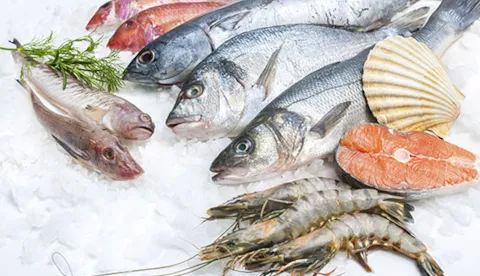
Seafood & aquaculture
Demonstrate safe and responsibly sourced seafood.

Food manufacturing
Food packaging

Food Services

Logistics & distribution

Import & export
Wholesale and trading

Information and cyber-security
Cyber security is a risk for every value chain, the food & beverage industry ought to be prepared

Food Safety Audits and Inspection
Verify that suppliers, processes, and products consistently meet expected food safety standards of tailored 2nd party safety and quality protocols

Social and ethical audits and assessments
Uphold fair labour, human rights, and ethical sourcing with audits that improve transparency and compliance across your supply chain

Food safety Training
Small and large businesses choose DNV because of our:
- Global food industry expertise
- Accredited certification services
- Independent audit and inspection programs
- Risk-based approach
- Digital assurance capabilities
- Industry-specific knowledge
- Commitment to transparency and continuous improvement
DNV supports thousands of food and beverage organizations globally with assurance and certification services designed to improve trust and operational performance. You can also transfer your existing certification to DNV through our easy transfer process: DNV Easy Transfer.
Request More Information
Looking to improve food safety performance, strengthen supplier oversight, or achieve certification?
Food Safety FAQ
Find quick answers to common questions about food safety, training, and compliance. Expand each section to learn how to strengthen safety practices and build trust across the food supply chain.
-
Food safety certification is an independent verification that a company’s food safety management system meets recognized industry or regulatory standards. Certifications such as ISO 22000 and FSSC 22000 help organizations demonstrate their commitment to food safety, quality, traceability, and continuous improvement.
-
Food safety audits help organizations identify risks, verify compliance, improve supplier oversight, and strengthen operational controls. Regular audits can reduce contamination risks, improve transparency across the supply chain, and help businesses meet customer and regulatory requirements.
-
DNV provides food safety certification, supplier audits, inspections, training, and assurance services designed to help organizations improve compliance, reduce operational risk, strengthen supply chain transparency, and build trust with customers and stakeholders.
-
Food safety plays a critical role in maintaining customer trust and protecting brand reputation. A strong food safety management system helps organizations reduce the risk of recalls, contamination, and compliance issues while demonstrating a commitment to quality, transparency, and consumer protection.
-
Because it helps companies improve food safety knowledge, manage risks, meet international standards, and build consumer trust across the supply chain.
Learn how DNV training can strengthen your food safety culture.