Transforming maritime classification through human-centric digital innovation
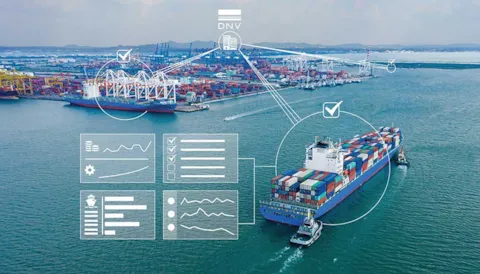
Digital classification represents a new era in shipping that leverages technology to enhance safety, efficiency, and transparency. Built around people, it empowers maritime professionals with digital tools and expert insight, enabling better decisions and more efficient collaboration throughout the vessel lifecycle.

Digital tools supporting safer and more efficient classification
Through digital classification methods such as remote surveys, digital twins, and drone surveys, shipowners and operators can reduce downtime and improve access to hard-to-reach areas. Condition-based surveys and predictive analytics enable risk-based scheduling, ensuring that maintenance and inspections align with actual vessel performance and operational needs.
Smart notations supporting new technologies and operational concepts
Smart vessel notations, such as those for operations and maintenance (OPM, OPH) and energy efficiency (EEN), provide a framework for qualifying digital features that improve operational outcomes and reduce environmental impact. These notations support the safe implementation of novel technologies and operational concepts.

DNV's My Services and Fleet Status: digital access to classification services
My Services, accessible via the Veracity data platform, is DNV’s digital customer portal and the main access point to all maritime digital services.
Within My Services, Fleet Status is a free and easy‑to‑use service for owners and managers of vessels with DNV class. It provides current class and vessel status information and supports the planning and follow‑up of classification‑related activities for ships in operation.
DATE® and digital workflows: expert support when needed
DNV’s Direct Access to Technical Experts (DATE®) ensures rapid, informed decision‑making by providing direct digital access to DNV’s technical experts for all technical needs.
Together with features such as Smart Survey Booking, remote survey capabilities and electronic certificates published instantly after surveys, these digital workflows streamline processes, reduce administrative burden and improve transparency across the fleet.
Related services


Other key pathways to maritime digitalization