Challenge
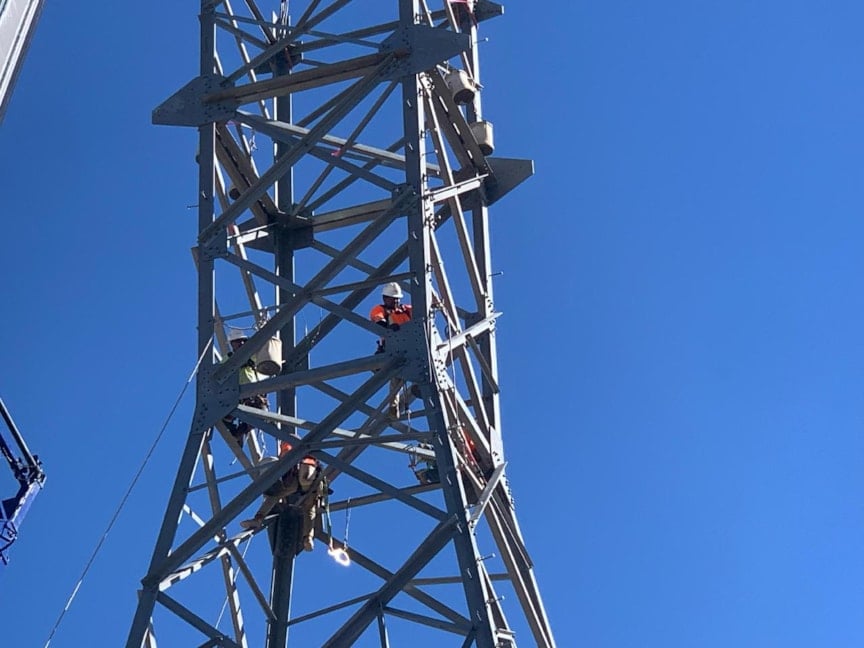
With a project of this scale and scope, obtaining financing is a complex endeavor. Moreover, the HVDC transmission line, which more efficiently carries electricity over long distances, is less common in North America, adding complexity to the financing. In fact, this is one of the first times HVDC transmission of this length has undergone financing in the U.S. Building on a long-established relationship, Pattern turned to DNV for support early in the process, accompanying them for more than a year and a half from the start of work through the financial close. Often technical due diligence is performed when the project design is very mature; however, DNV’s early involvement in this project helped Pattern to identify and mitigate risks early in the design phase, promoting a smoother financing and construction process. DNV’s network of experts was crucial to the process—having expertise in all aspects of the project in house, especially HVDC transmission, ensured that Pattern had the technical support it needed.
The size of the project—the largest wind project developed in the Western Hemisphere—drew interest from investors from across the globe. The involvement of international lenders, combined with the project size, led to the need for an expanded environmental and social review. Lenders demanded a thorough due diligence review of the recently expanded Equator Principles, which serves as a risk management framework to assess and mitigate environmental and social risks when financing infrastructure projects. This required extensive and iterative reporting to provide the level of granularity needed to secure financing for topics ranging from human rights to biodiversity to community consultation.
The wide-open spaces of Arizona and New Mexico that made the scale of this project possible also increased the scale of the permitting process. Much of the project abutted or, in the case of the transmission line, bisected land administered by the United States Bureau of Land Management, which required a more stringent permitting and stakeholder management process that Pattern supplemented with extensive voluntary engagement and collaboration with communities and conservation organizations, even after construction had commenced.
Results
As one of the world’s largest developers and operators of renewable energy transmission, Pattern Energy is distinctly positioned to manage the largest clean energy infrastructure project in U.S. history. By bringing DNV into the process early, selecting partners and contractors that work as an integrated team, and ensuring that SunZia met stringent sustainability and environmental standards, Pattern was able to secure USD 11 billion in financing. Construction of SunZia commenced in late 2023. The project became fully operational in June 2026, and term converted its financing in July 2026. For the next 30+ years, SunZia is expected to deliver over 3 GW of clean electricity to the grid and provide jobs and other economic benefits to New Mexico and Arizona.